You’ve invested in a steel door, and for good reason. Steel doors are built tough, secure, and designed to last for decades. But here’s something most people don’t hear at the point of purchase: even the most durable steel door needs a little care to stay at its best.
The good news is that steel door maintenance isn’t complicated. With the right routine and a few basic tools, you can protect your investment, prevent costly repairs, and keep your door looking and functioning like new for years to come. Whether you have a fire exit door, a louvered door, or a heavy-duty commercial entrance, this steel door maintenance guide walks you through everything you need to know.
Why Do Steel Doors Need Regular Maintenance?
Steel is one of the strongest materials you can choose for a door, but strength doesn’t mean invincibility. This is especially true here in the Philippines, where humidity, heat, and heavy rainfall create the perfect conditions for rust and corrosion to develop over time. Without regular upkeep, even a high-quality steel door can show signs of deterioration. Paint starts to chip, hinges begin to squeak, and rust creeps in through small scratches that were left untreated.
Regular maintenance protects your door’s structural integrity, preserves its appearance, and saves you money in the long run. Addressing small issues early, such as a rust spot or a loose hinge, costs far less than a full door replacement down the line. Think of steel door maintenance not as a chore, but as a simple habit that protects a long-term investment.
Different Tools You Need for Steel Door Maintenance
Before you begin any maintenance routine, it helps to have the right materials ready. You don’t need anything specialized since most of these items are easy to find in any hardware store across the Philippines.
For Cleaning
You’ll need a bucket of warm water, mild liquid soap (castile soap works great), two or three soft microfiber cloths, and a soft-bristle brush for harder-to-reach areas like door frames and louvered panels. Avoid abrasive sponges or steel wool, as these can scratch and damage the door’s protective coating.
For Lubrication
A silicone-based lubricant or light machine oil is your go-to for hinges and moving parts. For locks, a dry lubricant spray is ideal because it keeps the mechanism smooth without attracting dust or grime buildup inside the keyway.
For Rust Treatment and Touch-Ups
Keep a fine-grit sandpaper (around 120 to 220 grit), a rust-inhibiting primer, and a touch-up paint that matches your door’s finish. A small paintbrush for spot repairs rounds out this kit. If you’re unsure which paint formulation suits your door, the Janus Steel team can point you in the right direction.
For Inspection
A flashlight helps you spot early-stage rust forming in corners or along the door frame. A flathead screwdriver is useful for testing loose screws on hinges and hardware, and a level can confirm your door is still properly aligned over time.
How to Clean Your Steel Door the Right Way
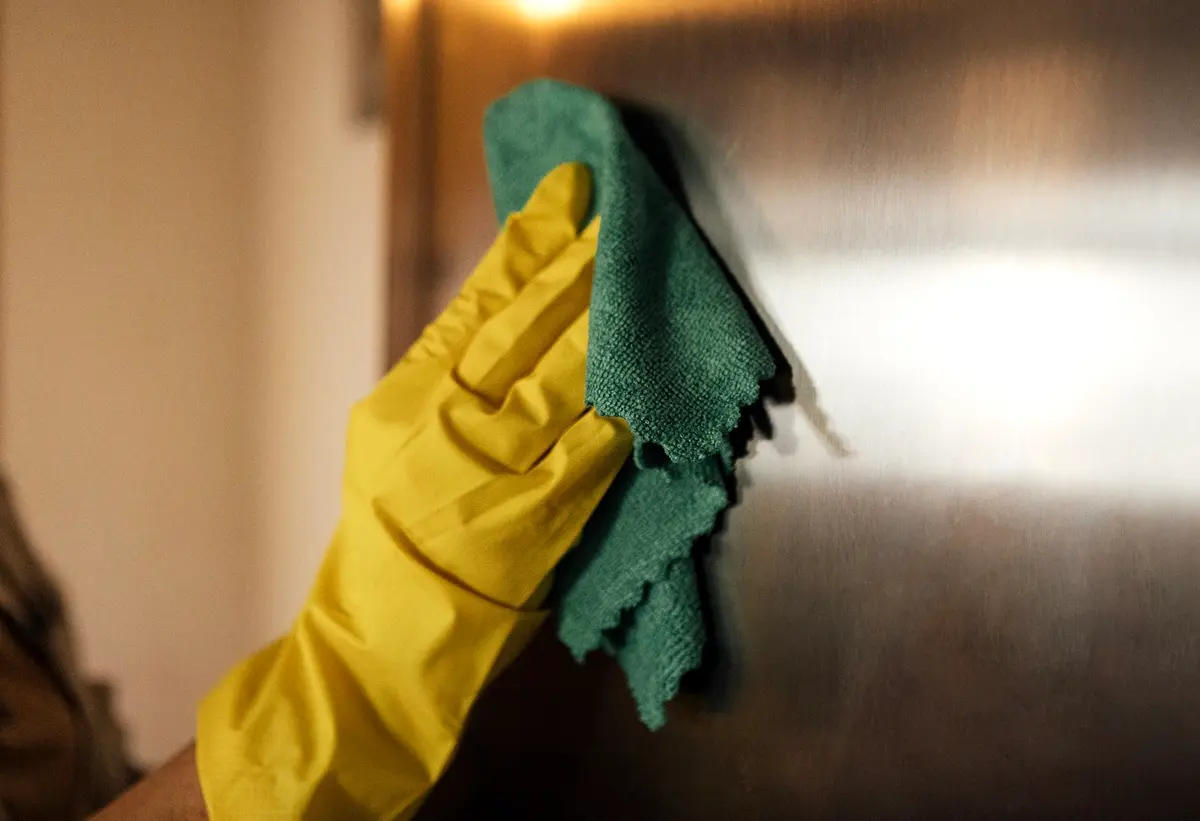
Cleaning is the foundation of any good steel door maintenance checklist. Done correctly and consistently, it removes the dirt, salt, and moisture buildup that leads to rust, keeping your door looking sharp and functioning properly.
Step 1: Wipe Away Loose Dirt and Debris
Start by using a dry soft cloth to remove surface dust, cobwebs, and loose dirt, especially from corners, edges, and the door frame. This prevents you from dragging abrasive particles across the surface during the wet cleaning step.
Step 2: Wash with Mild Soap and Water
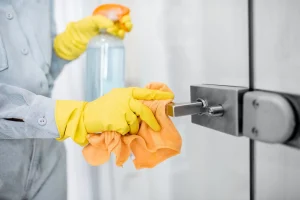
Mix a few drops of mild soap into a bucket of warm water. Using a soft cloth or sponge, wipe down the entire door surface in gentle, circular motions. Pay extra attention to areas that collect moisture, such as the bottom edge of the door, the frame perimeter, and around hardware like hinges and handles. For louvered doors, use a soft-bristle brush to clean in between the slats where dust and humidity tend to settle.
Step 3: Rinse and Dry Thoroughly
Rinse with a clean damp cloth to remove any soap residue, then dry the door completely with a dry microfiber cloth. Never leave your steel door wet since standing moisture is one of the fastest ways to invite rust, especially in our tropical climate.
Step 4: Apply a Protective Wax or Sealant
Every few months, applying a thin coat of car wax or a purpose-made steel surface sealant adds an extra layer of protection against moisture and UV exposure. This step is particularly helpful for doors installed in outdoor-facing areas or locations near the coast.
Common Mistakes When Taking Care of Steel Doors
Knowing what “not” to do is just as important as knowing the right steps. Many steel door problems actually come from well-intentioned but incorrect maintenance habits.
Using Harsh Chemicals or Abrasive Cleaners
Bleach, ammonia-based cleaners, and abrasive scrubbing pads can strip the protective coating on your steel door, leaving the bare metal vulnerable to rust. Always stick to mild soap and soft cloths, and when in doubt, less is more.
Ignoring Small Rust Spots
It’s tempting to ignore a tiny rust spot because it seems minor. But rust spreads fast. What starts as a small blemish can grow beneath the paint surface and weaken the door’s structure over time. Always treat rust early, as soon as you spot it.
Over-Lubricating Hinges and Hardware
More lubricant is not better. Applying excessive oil or grease to hinges attracts dust and grime, which can actually cause more friction and wear over time. A light, targeted application is all you need.
Leaving the Door Wet After Cleaning
This is one of the most common mistakes, especially in a humid environment like the Philippines. After washing, always dry the door thoroughly, paying special attention to the bottom edge where moisture tends to sit the longest.
Skipping the Hardware During Maintenance
The door surface gets all the attention, but the hardware, including hinges, locks, handles, and closers, needs maintenance too. Loose screws and stiff locks are early warning signs that should never be overlooked.
How to Inspect Your Steel Door to Avoid Rust and Corrosion
A quick visual inspection every few months can catch problems before they turn into major repairs. Knowing exactly what to look for makes this process faster and far more effective.
Check the Door Surface for Rust and Scratches
Look closely at the entire surface, including the front, back, and edges. Early-stage rust often appears as small reddish-brown spots or subtle discoloration. Paint blisters or bubbles are a sign that rust is forming underneath the coating. If you spot these, lightly sand the affected area, apply a rust-inhibiting primer, and finish with touch-up paint before the damage spreads.
Inspect the Door Frame and Alignment
A misaligned door is more than an inconvenience. It creates gaps that let in moisture, compromise the seal, and reduce security. Check that the door opens and closes smoothly without scraping or sticking. If it doesn’t hang evenly in the frame, the hinges may need tightening or realignment.
Examine the Weatherstripping and Seals
The rubber seals along the edges of your door prevent drafts, moisture, and dust from getting through. Over time, these seals lose elasticity, especially with constant exposure to Philippine heat and humidity. If your door is letting in drafts or rain even when fully closed, it’s likely time to replace the weatherstripping.
Test the Hardware
Give all hardware a functional test during every inspection round. Handles should operate smoothly, locks should engage and disengage without resistance, and hinges should move freely and quietly. Tighten any loose screws you find and lubricate any components that feel stiff or produce noise.
Look at the Bottom Edge
The bottom of the door takes the most abuse from floor contact, water from mopping, and rain splashing in from outside. This area is often the first place rust develops, so inspect it carefully and ensure the door sweep or threshold seal is fully intact.
DIY Maintenance vs. Calling a Professional
Most routine steel door maintenance, including cleaning, lubrication, touch-up painting, and weatherstripping replacement, is well within reach for any homeowner or building manager. If you follow a consistent schedule and catch issues early, you can handle the majority of upkeep on your own without needing outside help.
That said, there are situations where calling a professional is the smarter and safer choice. You should consider professional service when the door is significantly misaligned, when there is widespread rust affecting large portions of the surface, when the locking mechanism is malfunctioning, or when a fire exit door’s hardware is compromised. For fire-rated doors in particular, compliance and life safety standards are non-negotiable, as outlined under the Philippine Fire Code.
Get a Steel Door From a Trusted Manufacturer in the Philippines
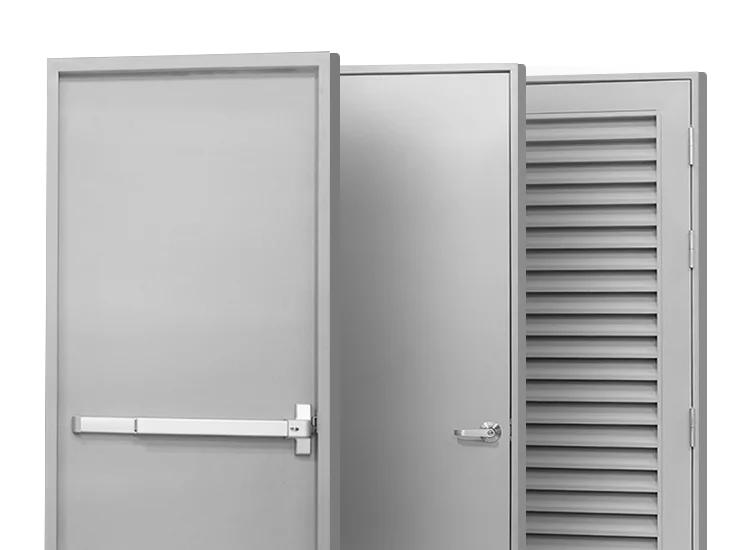
Proper maintenance starts with a door that’s built to last from day one. At Janus Steel OPC, we manufacture high-quality steel doors designed specifically for the demands of the Philippine climate, from the humidity of the provinces to the heavy foot traffic of commercial spaces in Metro Manila. Our product line covers everything from fire exit doors and flush doors to louvered doors and doors with glass, all crafted with precision and trusted by leading brands and institutions nationwide.
Whether you’re a homeowner upgrading your entrance, a contractor sourcing doors for a commercial build, or a facilities manager replacing aging industrial doors, we have a solution built for your needs. Contact the Janus Steel OPC team today to request a quote, explore our full catalog, or speak with one of our specialists.