Picking the wrong door type is one of those home construction and renovation mistakes that’s easy to overlook, until you’re dealing with a stuffy bedroom, a moldy closet, or a utility room that echoes every conversation in the house.
If you’re currently weighing a louvered door vs a solid door for your home, you’re asking exactly the right question. These two door types look similar at first glance, but they serve very different purposes, and in the Philippines’ humid, tropical climate, that difference matters more than most people realize.
In this article, we’ll break down everything you need to know: how each door type works, how they compare head-to-head across the factors that matter most to Filipino homeowners, and, most importantly, which door belongs in which room of your home.
What Is a Louvered Door?
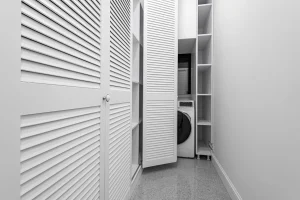
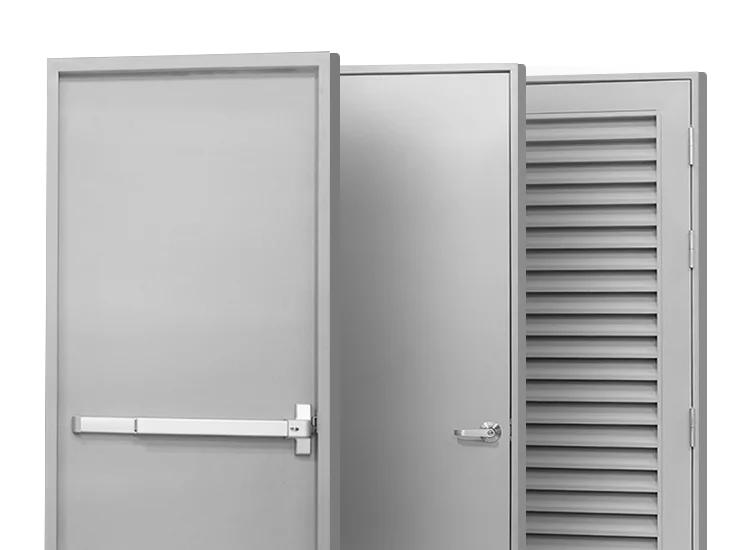
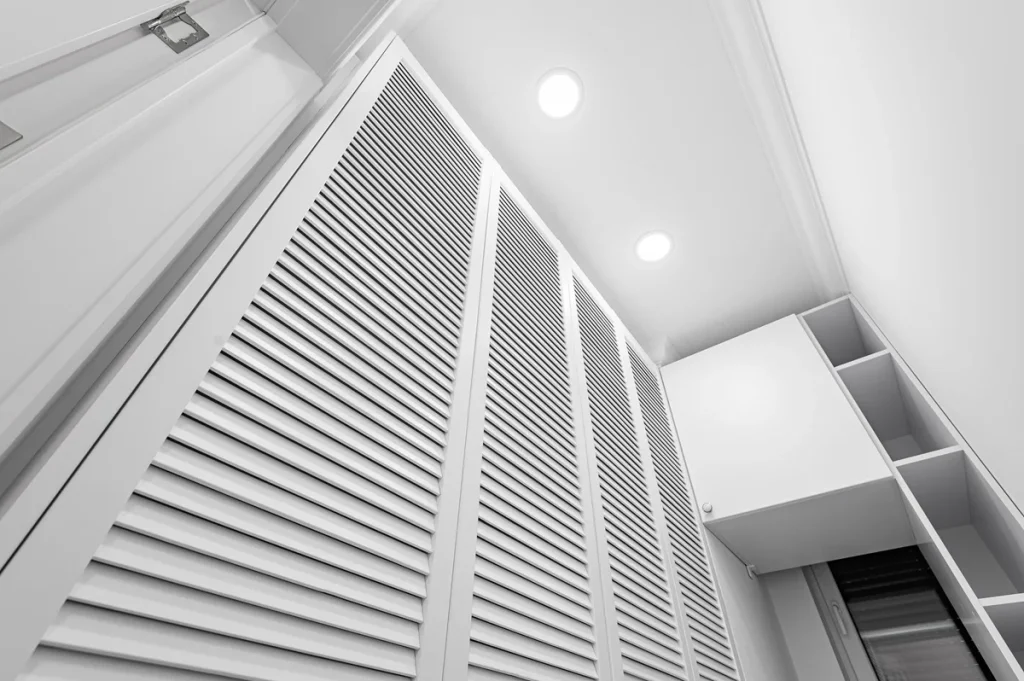
A louvered door is a door built with a series of angled horizontal slats, called louvers, instead of a solid surface. These slats are fixed or sometimes adjustable, and they allow air and light to pass through the door even when it’s fully closed.
In the Philippines, louvered doors are commonly made from wood, aluminum, or steel. Aluminum louver doors have become especially popular because they resist rust and corrosion, which is a big plus in a country with high humidity and frequent rain.
You’ll typically find louvered doors used in:
- Laundry areas and utility rooms
- Bedroom and walk-in closets
- Service entrances and side gates
- Outdoor storage areas
- Bathroom ventilation panels
The classic slatted look also gives louvered doors a timeless, slightly tropical aesthetic that fits right into Filipino home design, from family homes and suburban residences to modern condo units.
What Is a Solid Door?
A solid door is exactly what the name says: a door with a continuous, uninterrupted surface. There are no gaps, no slats, and no airflow. Depending on the construction, solid doors are either solid core (completely filled with wood, composite, or steel) or hollow core (solid surface but hollow or foam-filled inside).
For most Filipino homes, the most common types include:
- Solid wood doors – Traditional, classic look; popular for main entrances and interior rooms
- Panel doors – Solid surface with decorative raised or flat panels for added visual depth
- Flush doors – Flat, plain surface; the most budget-friendly option found in most affordable housing
- HDF molded doors – High-density fiberboard doors with molded designs; popular in mid-range homes
Solid doors are designed to deliver complete privacy, sound insulation, and a strong visual barrier. They’re the go-to choice when security, sound, or temperature control is the top priority.
Louvered Door vs Solid Door: Head-to-Head Comparison
Let’s get into the real comparison across the six dimensions that matter most when choosing a door for a Filipino home.
Ventilation and Airflow
This is where louvered doors shine brightest, especially in the Philippines.
With average temperatures hovering between 25°C and 34°C and humidity levels that rarely drop below 60%, natural airflow isn’t a luxury in a local home. It’s a necessity. Louvered doors allow continuous cross-ventilation even when shut, which is critical for spaces like laundry areas, utility rooms, and closets where moisture and heat can build up fast.
Solid doors, by contrast, block airflow completely. That’s intentional when you want a cool, air-conditioned bedroom to stay that way, but it works against you in spaces that need to breathe.
Privacy and Sound Insulation
This is where solid doors take a clear lead.
The slats on a louvered door allow not just air but also sound and partial visibility to pass through. It’s enough privacy to keep a room visually separated, but it won’t stop conversations from traveling, and it won’t give you the full visual privacy you need in a bedroom or bathroom.
Solid doors block both sight and sound. For bedrooms, home offices, and bathrooms in a multi-person household (think: multi-generational Filipino families or shared boarding houses), solid doors are the right call.
Durability in the Philippine Climate
Material matters more than door type here, but there are still important differences.
Louvered doors, when made from aluminum, hold up exceptionally well against the Philippines’ rainy seasons, coastal salt air, and year-round humidity. Aluminum doesn’t warp, swell, or rust. Wood louver doors, however, are more vulnerable to moisture damage and may require regular sealing or repainting.
Solid wood doors face the same challenge: warping and swelling are common problems in humid climates without proper finishing. Solid doors made from engineered wood (HDF), steel, or aluminum composite fare much better in terms of long-term durability.
For outdoor or semi-outdoor applications like garage doors, service entrances, or laundry area gates, aluminum louvered doors are arguably the most durable option available in the Philippine market.
Steel doors, on the other hand, offer even greater strength and long-term durability, making them a reliable choice for withstanding the Philippines’ humid and often harsh climate.
Aesthetics and Design
Both door types have strong design appeal, but in different directions.
Louvered doors carry a light, airy, slightly coastal aesthetic. They work beautifully in homes with natural materials, open floor plans, or tropical-inspired interiors. The slatted look is timeless and never feels outdated.
Solid doors offer more design flexibility overall. You can get them in flat flush finishes for a minimalist look, raised panel designs for a traditional feel, or sleek modern profiles for contemporary homes. They’re a blank canvas.
For high-visibility areas like the main entrance, living room, or master bedroom, solid doors often give a more polished, “complete” look. For utility areas and closets, the louvered aesthetic fits naturally.
Maintenance
Louvered doors demand more maintenance effort. No question about it.
Each slat is a potential dust collector. In a Filipino household, where cooking oil, dust, and humidity combine daily, those horizontal slats can accumulate grime quickly. Cleaning them properly takes more time and attention than wiping down a flat solid surface.
Solid doors are significantly easier to clean. A damp cloth across a flat surface takes seconds. There are no crevices for dust to hide in, and no risk of debris getting trapped between slats.
Practical Steps in Choosing Between Louvered Door vs Solid Door
Knowing the difference between these two door types is one thing. Making a confident decision for your actual home is another. Here is a straightforward process you can follow to land on the right choice without second-guessing yourself.
Step 1: Define the Primary Purpose of the Room
Start here before anything else. Ask yourself: what does this room need most?
If the answer is fresh air and moisture control (closets, laundry areas, pantries, utility rooms), a louvered door is the right fit. If the answer is privacy, quiet, or temperature retention (bedrooms, bathrooms, home offices), go with a solid door. The room’s function is the single clearest signal for which door type belongs there.
Step 2: Assess Your Home’s Exposure to the Elements
Not all spaces in a Filipino home face the same conditions. A bedroom door on the second floor behaves differently from a service entrance facing the backyard or a door in a ground-floor unit near the sea.
For spaces exposed to direct weather, rain, or salt air, prioritize material durability over style. Aluminum louvered doors are the most weather-resistant option for semi-outdoor and outdoor applications. For fully indoor spaces away from moisture, wood or engineered wood doors in either style perform well with proper maintenance.
For even greater durability and security, steel doors are an excellent option, offering superior resistance to weather, wear, and impact—making them ideal for high-exposure or high-traffic areas in the home.
Step 3: Match the Door to Your Home’s Design
A door that clashes with the rest of the house will always feel off, no matter how well it functions. Before buying, take note of your existing interiors: the flooring material, wall finish, and furniture style.
Louvered doors complement tropical, natural, or coastal-inspired interiors. Solid panel doors work well in contemporary, minimalist, or traditional Filipino home designs. If your home mixes styles, stick to a consistent finish color across all door types to tie the look together.
Step 4: Set a Realistic Budget Per Door
Avoid pricing doors as a total project cost. Price them per door first, then multiply. This gives you a clearer picture of where to invest and where to economize.
Spend more on doors that take the most wear: the main entrance, frequently used bedroom doors, and any door exposed to outdoor conditions. Budget-grade flush doors are perfectly fine for storage rooms, spare bedrooms, or areas with low foot traffic.
Step 5: Work With a Reliable Supplier or Fabricator
Standard door sizes may not fit every opening in older Filipino homes or custom builds. Before ordering, measure every doorway opening accurately: width, height, and the depth of the door frame. Always add a few millimeters for fitting allowance and confirm whether the door comes pre-hung or slab only.
Work with a supplier who can provide material samples, confirm lead times, and offer installation support. A door that’s well-made but poorly installed will never perform at its best, no matter the price point.
Buy Louvered Doors from a Trusted Steel Door Manufacturer in the Philippines
If you have decided that a louvered door is the right choice for your space, the next step is finding a supplier you can trust to deliver quality that holds up in the Philippine climate.
Janus Steel is one of the Philippines’ trusted manufacturers of steel doors, offering louvered door options built for durability, functionality, and long-term performance. With a product line engineered for the demands of Filipino homes and commercial spaces, Janus Steel combines the structural strength of steel with the ventilation benefits of the louvered design. Browse our louvered door options and get expert advice from our team!