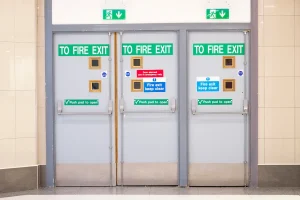
Fire safety failures rarely happen because people ignore the rules. More often, they happen because critical details are missed during fire exit door installation. A fire exit door is not simply a steel barrier with a handle. It is a regulated life-safety component designed to control fire spread, manage smoke, and allow occupants to evacuate quickly during emergencies. When installation is done incorrectly, even the most durable fire door can become a serious liability.
For building owners, developers, and facility managers, understanding how fire exit door installation works—and where it often goes wrong—can prevent inspection failures, costly rework, and dangerous evacuation scenarios. This guide explains why correct installation matters, highlights common mistakes found in buildings, and outlines practical ways to avoid them while choosing the right fire exit door supplier.
Why Fire Exit Door Installation Is Crucial
Fire exit door installation plays a direct role in how a building performs during a fire emergency. These doors are designed to compartmentalize fire and smoke while allowing people to exit the building quickly and safely. If a fire door does not open properly, closes too slowly, or fails to contain smoke, evacuation time is reduced and risks increase significantly.
In the Philippines, fire exit doors must comply with the Fire Code of the Philippines and the National Building Code, both of which are enforced through inspections conducted by the Bureau of Fire Protection (BFP). These regulations specify requirements for door swing direction, minimum clear widths, fire-resistance ratings, hardware, and accessibility. When installation fails to meet these standards, buildings may be denied a Fire Safety Inspection Certificate, delaying occupancy permits and operations.
Beyond compliance, proper installation protects lives. Fire exit doors are often used only during emergencies, which means they must function perfectly the first time they are needed. Correct installation ensures reliability under stress, predictable performance during fire exposure, and long-term safety for occupants.
Common Fire Exit Door Installation Mistakes Most Buildings Have
Many fire safety issues in buildings do not come from ignoring regulations entirely, but from underestimating how precise fire exit door installation needs to be. Fire exit doors are part of a regulated life-safety system, and even minor installation errors can compromise their performance during an emergency. These mistakes often go unnoticed until a fire safety inspection fails or, worse, an evacuation is delayed during a real fire incident. Understanding the most common installation errors helps building owners and project teams identify risks early and correct them before they lead to safety or compliance issues.
Installing Non-Certified or Incorrect Fire Exit Doors
One of the most serious mistakes is using doors that are not properly fire-rated or certified. Some projects install standard steel doors labelled as fire exit doors without verified fire resistance testing. Without certification, there is no guarantee that the door can contain fire and smoke for the required duration, which makes it non-compliant and unsafe.
Incorrect Door Swing and Exit Direction
Fire exit doors must open in the direction of escape to allow fast and unrestricted evacuation. Installing doors that swing inward or against the exit flow can cause congestion and panic, especially in high-occupancy buildings. This mistake is common in retrofitted structures where door orientation is not properly reviewed.
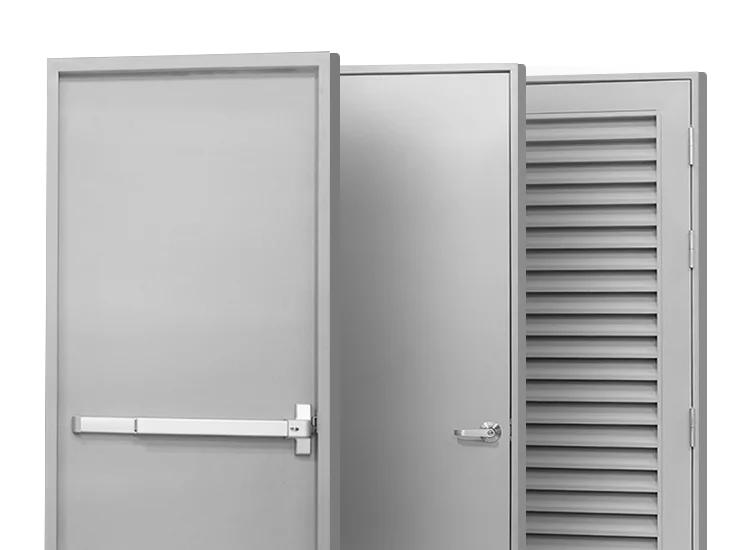
Missing or Improper Panic Hardware
A fire exit door should open with a single, simple action. Problems occur when panic bars are missing, incompatible with the fire door, or installed incorrectly. In an emergency, occupants should not need strength, keys, or instructions to open an exit door. Faulty hardware can turn a fire exit into a dangerous bottleneck.
Poor Frame Installation and Excessive Door Gaps
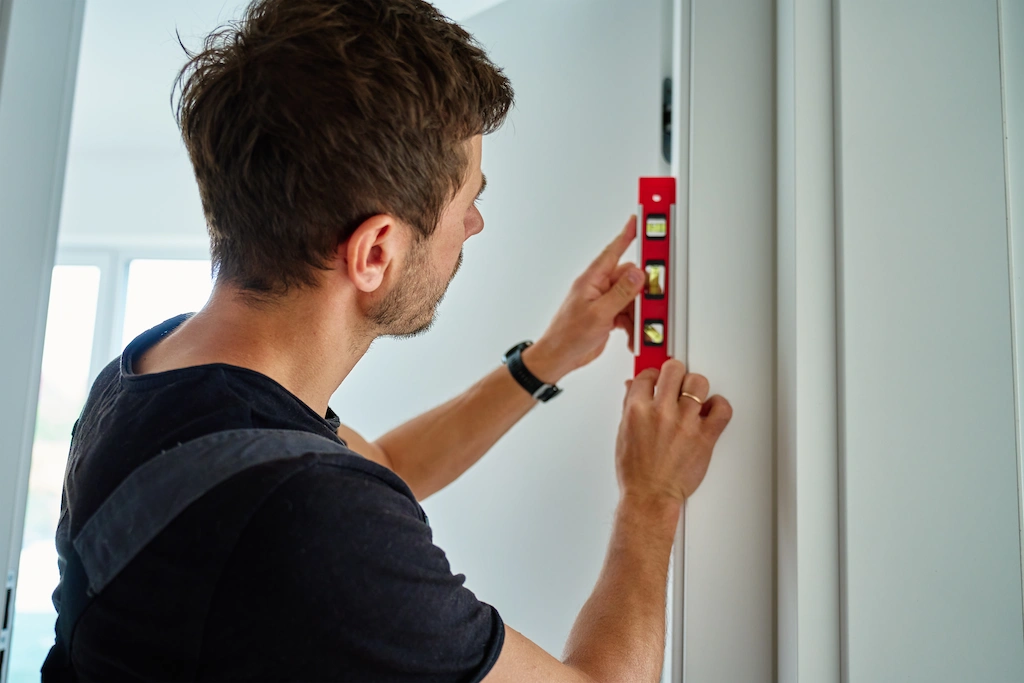
Fire exit doors must be installed with precise alignment and correct clearances. Poorly installed frames, uneven hinges, or excessive gaps allow smoke and flames to spread quickly, reducing the effectiveness of the fire door. These issues often arise from rushed installation or lack of specialized experience.
Obstructed, Locked, or Misused Fire Exit Doors
Even correctly installed fire exit doors can fail if they are blocked, locked, or used improperly. Storing items near exits, adding padlocks, or installing deadbolts violates fire safety regulations and puts occupants at serious risk. This is one of the most common reasons buildings fail fire safety inspections.

Different Ways to Avoid Fire Exit Door Installation Mistakes
Avoiding fire exit door installation mistakes requires more than choosing a strong door or following basic instructions. It involves planning, correct product selection, professional installation, and ongoing oversight. By addressing fire exit doors as a critical safety system rather than a finishing detail, building owners can significantly reduce compliance risks and improve overall fire safety.
Plan Fire Exit Door Requirements Early in the Project
Fire exit doors should be considered during the design and planning stage, not after construction is complete. Early planning allows teams to account for occupant load, exit width, door swing, and travel distance requirements. It reduces the need for costly modifications and ensures compliance from the start.
Use Only Certified Fire Exit Doors and Hardware
Selecting certified fire exit doors ensures that the door assembly has been tested for fire resistance and compatibility with approved hardware. Certified products provide predictable performance during emergencies and make inspections smoother, as documentation is readily available.
Work With Experienced Fire Door Installers
Fire exit door installation requires specialized knowledge of fire codes, hardware integration, and proper clearances. Experienced installers understand how small errors can affect door performance and inspection outcomes. Choosing trained professionals reduces the risk of hidden installation defects.
Conduct Pre-Inspection and Post-Installation Checks
Before scheduling an official fire safety inspection, it is important to verify that all fire exit doors operate correctly. This includes checking door alignment, self-closing mechanisms, panic hardware, and clear exit access. Early checks allow issues to be corrected without delaying occupancy or operations.
Implement Regular Maintenance and Safety Audits
Fire exit doors must remain functional throughout the life of the building. Regular inspections help identify wear, hardware issues, or obstructions that may develop over time. Ongoing maintenance ensures continued compliance and reliable performance when emergencies occur.
The Importance of Buying Fire Exit Door from Trusted Suppliers
The quality of a fire exit door installation depends heavily on the supplier. Trusted fire exit door suppliers provide more than just products; they offer technical guidance, compliance documentation, and system compatibility advice. This support helps building owners choose doors that meet fire-rating requirements, work with approved hardware, and align with inspection standards.
Unreliable suppliers may offer lower upfront costs, but these often result in hidden expenses such as door replacements, delayed approvals, and repeated inspections. Trusted suppliers help reduce these risks by ensuring that fire doors are designed, manufactured, and supported with safety and compliance in mind.
For buyers, buying with a reputable supplier simplifies the decision-making process and increases confidence that the installation will pass inspection and perform as expected during emergencies.
Get Expert Advice and Inspection From Trusted Fire Exit Door Suppliers in the Philippines
Fire exit door installation should never rely on assumptions or shortcuts. Expert advice ensures that the right fire door is selected, installed correctly, and maintained properly over time. This is particularly important in the Philippines, where compliance with BFP regulations is mandatory for building occupancy and operation.
We, at Janus Steel, support building owners, contractors, and developers by providing fire exit doors designed to meet safety standards and installation requirements. With professional guidance, proper documentation, and a clear understanding of inspection expectations, projects move forward with fewer delays and reduced risk. Talk to us today and get expert help for your fire exit door!